What is IT Asset Disposition (ITAD) and why is it important? Organizations are constantly replacing their IT hardware. Think of laptops, servers, phones, and network equipment. But what happens to these assets once they are depreciated? This is where IT Asset Disposition (ITAD) comes into play.
ITAD goes beyond simply disposing of old equipment. It is a structured process where IT assets are processed safely, sustainably and with maximum residual value.
What is IT Asset Disposition (ITAD)?
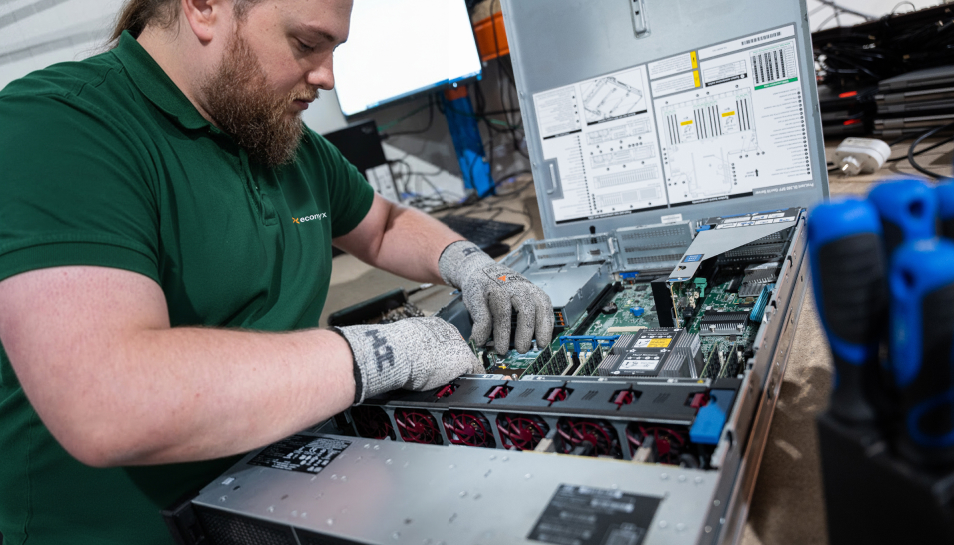
IT Asset Disposition (ITAD) is the process of removing, processing, and reusing IT equipment at the end of the lifecycle. This includes:
- Secure data deletion
- Hardware reuse and remarketing
- Responsible recycling
- Reporting and Certification
A well-designed ITAD process ensures that equipment is not only disposed of, but that value is maintained and risks are minimized.
Why is ITAD important?
1. Data safety and compliance
Depreciated hardware often still contains sensitive business information. Without proper data deletion, this is a major risk.
ITAD professional parties work with certified processes and comply with standards such as ISO 27001, as a result of which data is completely and demonstrably deleted.
2. Maximum residual value
A lot of IT hardware still has considerable value. By testing, refurbishing and re-marketing equipment in the right way, an organization can recoup part of the investment.
3. Sustainability and circularity
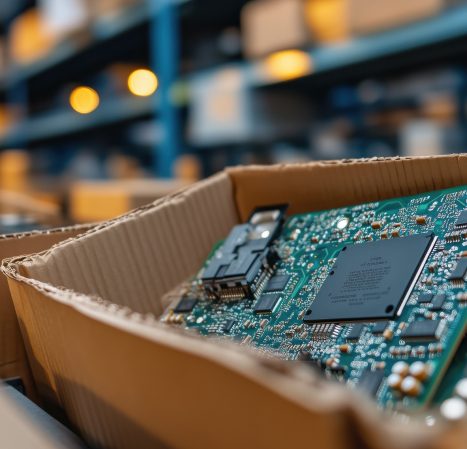
ITAD plays an important role in reducing e-waste. By reusing hardware or recycling it responsibly, the lifespan is extended and the impact on the environment is reduced.
4. Efficiency and peace of mind
Processing IT assets can be complex, especially in larger organizations with multiple locations. A good ITAD process ensures:
- structured collection
- clear reporting
- complete relief for IT teams

What does an ITAD process look like?
Although each process is customized, an ITAD process usually consists of the following steps:
- Inventory of IT assets
- Secure data deletion (on-site or off-site)
- Equipment testing and classification
- Reuse or recycling
- Reporting and Certification
This ensures full transparency and control over the process.
ITAD as a strategic part of IT management
More and more organizations see ITAD not as a final step, but as a strategic part of IT lifecycle management. By taking the end of the life cycle into account from the moment they are purchased, companies can:
- reduce costs
- mitigate risks
- operate more sustainably
Conclusion
IT Asset Disposition is essential for organizations that want to manage their IT assets securely, efficiently and responsibly. It not only offers data protection, but also financial and sustainable benefits.
A well-designed ITAD process ensures that depreciated hardware is not a cost, but rather an opportunity to regain value and make an impact.